
Bringing a Niche Product to Market: Two Founder Stories
Finding the Gap: How Two Founders Identified Their Niche
 In today’s competitive landscape, standing out from the crowd is more critical than ever. While mass production aims for broad appeal, a growing number of entrepreneurs are finding the immense potential of focusing on specific, underserved market segments. This approach, known as niche product manufacturing, allows businesses to meet precise customer demands with specialized solutions.
We believe that understanding this strategy is key for any aspiring innovator. It is about identifying a specific gap and filling it with unparalleled quality and dedication. This focus often leads to higher customer satisfaction, stronger brand loyalty, and a distinct competitive advantage.
In this guide, we dig into the exciting world of niche product manufacturing. We will explore what defines a niche, how it differs from mass production, and the unique challenges and opportunities it presents. To illustrate these concepts, we will share the compelling stories of two founders. Their experiences will illuminate the journey from identifying a specialized need to successfully bringing a unique product to market.
A niche product, by definition, caters to a specialized segment of the market, addressing specific needs or preferences that larger, mass-market offerings often overlook. Niche manufacturing, therefore, is the production process behind these highly specialized goods. Unlike mass production, which prioritizes volume and standardization to achieve economies of scale, niche manufacturing focuses on precision, customization, and quality for a select group of customers. This allows for meticulous attention to detail, often resulting in a product that is perceived as superior and commands a premium price.
The distinction is crucial. Mass production thrives on uniformity and efficiency for a broad consumer base, often at the expense of individual needs. Niche manufacturing, conversely, is inherently customer-centric. It develops exclusive, top-tier products custom to specific markets or customer requirements, where each item can be a carefully crafted masterpiece designed to meet precise specifications. This approach facilitates customization and allows for a deep understanding of the end-user’s desires, fostering a strong connection between the brand and its community.

The journey into niche product manufacturing often begins with a keen observation – noticing a problem or an unmet need within a specific community or industry. It requires founders to dive deep into market research, listen to customer pain points, and then validate their ideas with potential users. The goal is to find passionate communities whose specific challenges are not adequately addressed by existing, generic solutions. This is about solving a unique problem with a custom, intentional approach.
We’ve seen how successful niche businesses engineer every product decision, marketing message, and support interaction around a single audience’s expectations. This intentionality builds trust and confidence, which are invaluable assets in a specialized market. Let’s explore how two hypothetical founders, Sarah and Ben, steerd this process.
Founder Story 1: Sarah and Specialised Safety Solutions
Sarah spent years working in the Australian construction industry, witnessing the daily grind and the inherent dangers. She observed that while safety signage was ubiquitous, it often fell short of addressing the highly specific and evolving hazards of modern construction sites. Generic signs were prevalent, but they frequently failed to communicate niche risks, site-specific protocols, or the unique requirements of certain projects. Site managers struggled to find durable, compliant, and clearly understandable signs for every conceivable scenario.
“I saw a gap,” Sarah explains. “Standard signs were like a one-size-fits-all solution trying to fit every unique construction challenge. They were often flimsy, faded quickly in our harsh climate, or simply didn’t convey the precise message needed. This created confusion, slowed down operations, and, more importantly, put people at risk.”
Her market research involved extensive conversations with site supervisors, safety officers, and workers. She learned about the need for signs that could withstand extreme weather, adhere to strict Australian Standards, and be easily customised for specific chemicals, machinery, or site layouts. There was a clear demand for high-quality, durable, and compliant signage that could be rapidly produced.
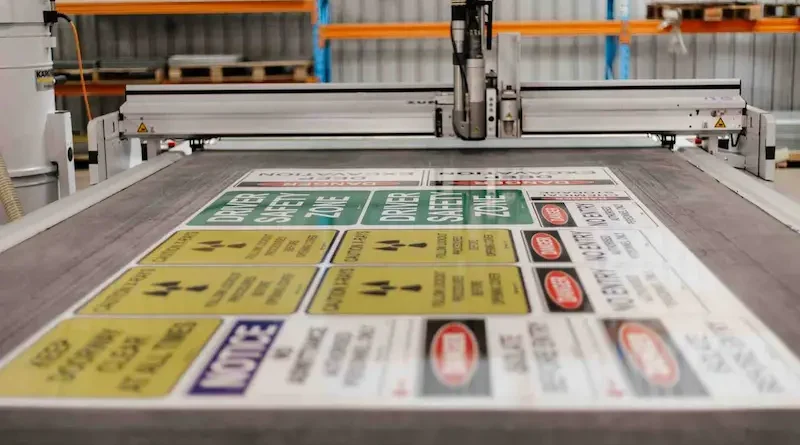
Sarah realised that many businesses, particularly those dealing with rare or obscure chemicals, unique safety policies, or highly specialized manufacturing techniques, struggled to find premade signs that truly met their needs. This insight led her to focus on niche signage manufacturing, offering bespoke solutions that go beyond off-the-shelf options. Her business would not just sell signs; it would provide custom safety communication tools. The ability to create custom signs that specifically call out unique risks, rather than relying on generic warnings, became a cornerstone of her offering. This approach turns compliance from a burden into a competitive advantage, as businesses can demonstrate a higher commitment to safety.
Founder Story 2: Ben and the Precision Tool
Ben, a passionate firearms enthusiast and hobbyist, frequently found himself frustrated by the tools available for maintaining his AR-15 platform rifles. Many tools were either generic, poorly designed, or required awkward, time-consuming processes. He observed that the existing market offered broad solutions but lacked precision instruments specifically engineered for the nuances of AR-15 maintenance and customisation. The community of AR-15 owners was vast and engaged, constantly seeking ways to improve their equipment and streamline their maintenance routines.
“It was a constant source of irritation,” Ben recalls. “I’d spend more time wrestling with a tool than actually working on my rifle. I knew there had to be a better way, a more precise and efficient solution that respected the engineering of the platform.”
Ben’s validation process was organic. He participated in online forums, attended shooting events, and spoke with fellow enthusiasts. He finded a shared frustration with existing tools and a strong desire for specialized, high-quality alternatives. Many users were even resorting to creating their own makeshift tools, highlighting the significant unmet need.
This deep dive into a passionate community revealed a clear opportunity: design and manufacture a precision tool that simplifies a common, yet frustrating, AR-15 maintenance task. His product wouldn’t just be another tool; it would be a carefully engineered solution for a specific problem within a dedicated user base. This focus on user experience (UX) and solving a precise pain point became his driving force. The demand for such specialized tools within the firearms community is significant, as evidenced by the continuous innovation in niche AR-15 product manufacturing. Ben’s goal was to create a tool that felt like an extension of the user, making a complex task simple and intuitive.
The Blueprint: Navigating the World of Niche Product Manufacturing
Once a niche is identified, the real work of manufacturing begins. Niche product manufacturing demands a different blueprint than mass production. It often involves embracing agile methodologies, smaller batch production, and leveraging advanced technologies to achieve precision and customization. Quality control is paramount, and a customer-centric design philosophy guides every step of the process.

Lean manufacturing principles, often associated with large-scale efficiency, are surprisingly applicable here. By focusing on eliminating waste, optimizing flow, and producing only what is ordered, niche manufacturers can keep costs down and respond quickly to demand. This “pull-through” production system, where orders drive manufacturing, is characterized by smaller batches and quick responses. Technologies like 3D printing and advanced robotics are changing what’s possible, enabling rapid prototyping, custom part creation, and even the rise of “microfactories” that allow for highly localized and bespoke production. These smaller, highly automated facilities can be profitable at a much smaller scale, bringing manufacturing closer to the customer.
Sarah’s Approach to Niche Product Manufacturing
For Sarah, the manufacturing process for her specialized safety signs was all about durability, compliance, and customisation. She understood that her products needed to withstand the harsh Australian sun, heavy machinery, and constant exposure to the elements. This meant carefully selecting durable materials that offered weather resistance and longevity.
“Our signs aren’t just pieces of plastic or metal; they’re critical safety communication tools,” Sarah states. “They have to be robust, clear, and compliant with Australian Standards. That’s non-negotiable.”
Her manufacturing process incorporated rigorous quality control at every stage. Each sign was designed not only for visual clarity but also for its ability to meet specific regulatory requirements. This focus on compliance wasn’t just about avoiding penalties; it was a core feature, a differentiator that built trust with her B2B clients. By offering custom Hazchem signs for obscure chemicals or site-specific policies, her business became an indispensable partner for companies with unique safety needs. She leveraged digital design tools to quickly generate mock-ups and proofs, allowing for rapid iteration and customer approval. This agile approach, coupled with efficient production lines for custom orders, meant she could offer industry-leading turnaround times, often delivering custom signs within days. This ability to provide custom solutions quickly and reliably was a significant competitive advantage in a market where delays could mean safety risks or project setbacks.
Ben’s Journey in Niche Product Manufacturing
Ben’s product, a precision tool for AR-15 maintenance, demanded an equally rigorous, albeit different, manufacturing approach. Precision engineering was at the heart of his design. Every tolerance, every curve, and every material choice was scrutinised to ensure optimal performance and user experience.
“The difference between a good tool and a great tool is often measured in microns,” Ben explains. “Our users expect perfection, and we aim to deliver it.”
His journey involved extensive prototyping, often utilising technologies like 3D printing to quickly test designs and refine ergonomics. This allowed him to gather user feedback early and often, ensuring the final product truly solved the user’s problem. Sourcing high-quality, durable materials that could withstand the demands of firearms maintenance was also critical. This often meant working with specialized suppliers who understood the unique properties required for such applications.
Ben’s marketing strategy was deeply integrated with his product development. He engaged directly with online communities, showcasing prototypes, soliciting feedback, and building anticipation. His digital marketing efforts focused on demonstrating the tool’s precision, its unique features, and how it directly addressed the frustrations of his target audience. By speaking the language of his niche and actively participating in their discussions, he built a loyal following even before launching. This customer-centric approach, combined with a relentless pursuit of engineering excellence, allowed Ben to carve out a significant share in a highly specialized market.
From Local to National: Scaling a Niche Manufacturing Business
The ambition of many niche manufacturers extends beyond local success. The goal is often to expand reach, changing a workshop into a business with national or even global distribution. This scaling journey, however, requires careful planning and strategic execution. It’s not about brute-force expansion but a disciplined change that maintains the core specialization and authenticity of the product.

Digital change plays a pivotal role in this expansion. Implementing robust Enterprise Resource Planning (ERP) systems, leveraging real-time supply chain visibility, and utilizing AI-driven demand forecasting can provide the “invisible infrastructure” necessary for efficient operations across wider geographies. E-commerce platforms become crucial sales channels, allowing direct access to customers far beyond the local market.
Expanding into new markets also necessitates a sophisticated approach to supply chain management. This involves building relationships with suppliers who understand the nuances of niche products, potentially diversifying sourcing to improve resilience, and partnering with specialized logistics providers to steer customs, tariffs, and compliance requirements.
Financial considerations are also paramount. Scaling requires capital-intensive investments in machinery, technology, workforce training, and marketing. Niche manufacturers might explore creative financing approaches, such as export financing programs or strategic equity partnerships, to fund their growth while balancing caution with boldness.
Here are 5 Key Marketing Strategies for Niche Products that we’ve found effective for expanding market reach:
- Content Marketing & Thought Leadership: Establish your brand as an authority in your niche. Create valuable content (blogs, videos, guides) that addresses your audience’s specific challenges and showcases your expertise. This builds trust and positions you as a go-to resource.
- Community Engagement: Actively participate in online forums, social media groups, and industry events where your niche audience congregates. Listen, offer advice, and subtly introduce your solutions. This fosters genuine connections and word-of-mouth referrals.
- Targeted Digital Advertising: Use platforms like Google Ads and social media advertising with highly specific targeting parameters. Focus on keywords, demographics, and interests directly relevant to your niche to ensure your message reaches the right audience efficiently.
- Strategic Partnerships: Collaborate with complementary businesses, influencers, or industry associations within your niche. This can amplify your reach, lend credibility, and open doors to new customer segments.
- Customer Success Stories & Testimonials: Showcase real-world examples of how your product has solved problems for your customers. Authentic testimonials and case studies are powerful tools for building social proof and demonstrating value to potential buyers.
For niche manufacturers, scaling is about maintaining the integrity of what made them successful in the first place. It involves resisting the temptation to chase volume at the expense of specialization and constantly ensuring the business is still solving a unique problem and protecting its distinctiveness. This requires strong leadership that can orchestrate strategy across diverse markets, foster cross-cultural fluency, and empower decentralized decision-making.
Frequently Asked Questions about Niche Manufacturing
What are the biggest benefits of focusing on a niche product?
Focusing on a niche product offers several significant benefits. Firstly, it often leads to higher profit margins. Because you’re offering a specialized solution to a specific problem, customers are often willing to pay a premium for a product that perfectly meets their needs, unlike generic mass-market alternatives. Secondly, you face less direct competition. By operating in a specialized segment, you avoid the fierce price wars and broad marketing battles common in larger markets. This allows for more focused marketing efforts and a stronger market position. Thirdly, it fosters stronger customer loyalty. When you provide a custom solution that deeply resonates with a specific audience, you build a dedicated customer base that feels understood and valued. Finally, it establishes brand authority. By becoming the go-to expert in your specialized area, your brand gains credibility and trust within that community.
How can a small manufacturer compete with larger companies?
Small niche manufacturers can effectively compete with larger companies by leveraging their inherent strengths. Specialisation is key; instead of trying to be everything to everyone, focus on doing one thing exceptionally well for a specific audience. This allows for superior quality and craftsmanship that mass producers often cannot match. Exceptional customer service is another powerful differentiator. Small manufacturers can offer personalized support, quicker responses, and a deeper understanding of customer needs. Their agility allows them to innovate and adapt much faster to market changes or customer feedback than large, bureaucratic organizations. Finally, the ability to offer customization and bespoke solutions directly addresses a need that large companies, with their focus on standardization, struggle to fulfill.
What’s the first step to starting a niche manufacturing business?
The very first step to starting a niche manufacturing business is to identify a problem. This isn’t just about finding a product idea, but pinpointing a specific pain point or unmet need within a particular market segment. Once a problem is identified, the next crucial step is to validate the market. This involves extensive research, talking to potential customers, observing online communities, and using tools like Google Trends to confirm genuine demand and interest. Don’t assume; verify. After validation, create a prototype or a minimum viable product (MVP) to test your solution with real users and gather feedback. Finally, based on your validated idea and prototype, develop a comprehensive business plan that outlines your manufacturing process, marketing strategy, financial projections, and scaling intentions.
Conclusion
The stories of Sarah and Ben underscore a powerful truth in today’s manufacturing landscape: success doesn’t always lie in mass appeal, but often in profound specialization. Niche product manufacturing is more than just a business model; it’s a philosophy rooted in a problem-solving focus and an unwavering customer obsession. By identifying specific unmet needs and dedicating ourselves to crafting superior, custom solutions, we can build businesses that are not only profitable but also deeply valued by their communities.
Embracing modern technology, from 3D printing for rapid prototyping to advanced digital tools for marketing and supply chain management, is crucial for both innovation and efficient production. Moreover, strategic scaling is about growing intelligently, expanding reach without diluting the core values or unique qualities that define our niche. It’s a journey of disciplined change, where authenticity and precision remain paramount.
The value of authenticity, quality, and a genuine connection with customers will always stand out. For those ready to start on this rewarding path, the opportunities in niche product manufacturing are as vast and varied as the specific needs of the global market.
Ready to bring your specialized product vision to life or optimize your existing niche manufacturing operations? Explore our comprehensive range of solutions designed for precision and compliance. Contact us today to discuss how we can support your journey towards manufacturing excellence.
Explore our custom signage solutions
Visit the rest of the site for more interesting and useful articles.
