
How Modern Recruitment Trends Are Shaping Workforce Success
Modern recruitment is evolving at a rapid pace, presenting organizations with both new challenges and unprecedented opportunities for growth. Staying ahead in talent acquisition not only keeps companies competitive but also builds the foundation for lasting organizational success. Companies striving for effective workforce strategies increasingly leverage innovative recruitment techniques—a trend mirrored even in the more specialized sectors, as seen with a chasseur de tete Montreal firm that brings a global perspective to local hiring. These new approaches are transforming the way companies attract, assess, and retain talent, fundamentally altering hiring landscapes across industries.
Innovations like artificial intelligence, skills-based hiring, and virtual assessments are quickly becoming the norm, promising faster, more reliable, and more equitable hiring outcomes. Recruitment is no longer confined to traditional methods; instead, it is becoming an adaptive process shaped by global influences, transparency requirements, and new technology tools. Companies that embrace these changes are well-positioned to attract more suitable candidates, enhance their employer brand, and achieve greater workforce stability.
As businesses increasingly compete in a borderless and highly competitive job market, the ability to implement the latest hiring trends is essential. A modern approach to talent acquisition ensures that organizations are prepared to meet future demands, enhance employee retention, and drive innovation at every level of the organization. Understanding these trends—and implementing them—forms the core of a truly successful recruitment strategy.
AI in Recruitment
AI-driven applicant tracking systems and recruitment tools are fundamentally changing the way HR departments scout, shortlist, and engage candidates. Intelligent algorithms can quickly sort through thousands of CVs, highlight high-potential applicants, and even analyze behavioral patterns to identify best-fit team members. Beyond screening, AI chatbots handle candidate queries, schedule interviews, and keep applicants updated throughout the hiring process—freeing up HR professionals for more strategic tasks. By leveraging predictive analytics and machine learning, organizations can reduce hiring bias, shorten the time-to-fill, and enhance the overall quality of hires.
Skills-Based Hiring
Skills-based hiring emphasizes demonstrated competencies over rigid educational or work history requirements. Increasingly, companies are using practical assessments, coding challenges, and portfolio reviews to evaluate candidate abilities. This shift not only expands the pool of eligible talent but also leads to higher employee satisfaction and productivity, as people are hired for roles that truly align with their strengths. Research highlights a growing wage premium for in-demand technical or digital skills, reflecting a market that rewards proficiency and results more than traditional credentials or pedigree.
Global Talent Sourcing
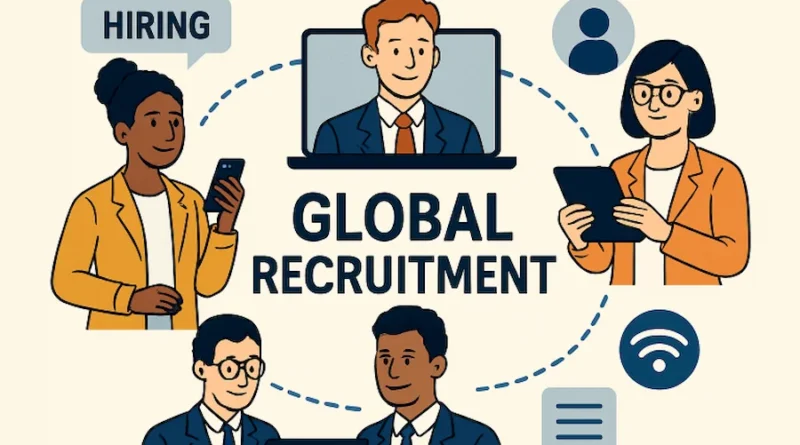
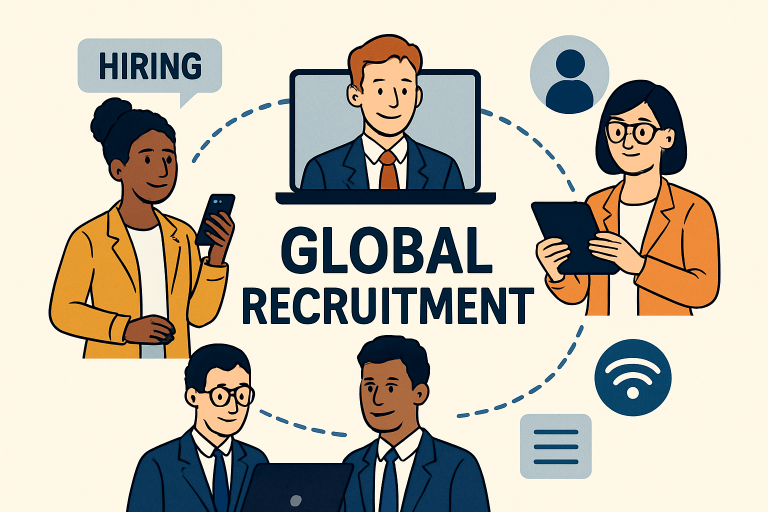
The acceleration of remote work, combined with digital recruitment platforms, enables organizations to tap into an international talent pool. With virtual interviews and robust onboarding systems, even companies based in specific regions—such as Montreal, Paris, or New York—can easily recruit from anywhere. This broadens diversity, bridges skills gaps, and provides access to hard-to-find expertise. Studies show that organizations adopting global talent strategies are more resilient and adaptable to market shifts, as they can quickly tap into specialized knowledge and alternative perspectives from around the world.
Salary Transparency
As job seekers increasingly demand upfront information about compensation, salary transparency has moved from a niche value to an industry standard. Regulations in both North America and Europe are accelerating this shift, requiring job postings to disclose pay ranges. The result is a more efficient hiring process, reduced negotiation friction, and increased trust between employers and their future employees. Transparent salaries also reinforce brands as ethical, equitable employers, an essential advantage in a highly competitive market.
Virtual Reality in Hiring
Virtual reality (VR) is becoming a powerful tool in the recruitment and onboarding lifecycle—VR assessments immerse candidates in simulated workplace scenarios, helping employers better predict cultural fit and on-the-job performance. New hires can virtually tour offices, participate in interactive trainings, and connect with future teammates before their first day. These immersive experiences increase engagement, improve new hire retention, and streamline onboarding for distributed or large-scale teams. As more companies adopt VR, expect to see richer, data-driven insights into candidates and a more interactive hiring process overall.
Conclusion
Companies that consistently attract and retain top talent are those that actively adopt and adapt to modern recruitment trends. Incorporating AI-powered automation streamlines processes, while prioritizing skills over traditional experience opens opportunities to diverse, capable candidates. Expanding recruitment efforts globally widens the talent pool, and maintaining salary transparency builds trust and credibility with potential hires. Additionally, using immersive assessment technologies helps evaluate candidates more accurately and efficiently. Organizations that adopt these strategies not only improve hiring outcomes but also foster agile, future-ready teams. Continuously staying informed and responsive to evolving trends is essential for workforce success in today’s fast-paced, competitive global job market.
Visit the rest of the site for more interesting and useful articles.
