

From Passion to Profit: How Three Niche Businesses Found Their Market
Introduction: The Power of Finding Your Niche
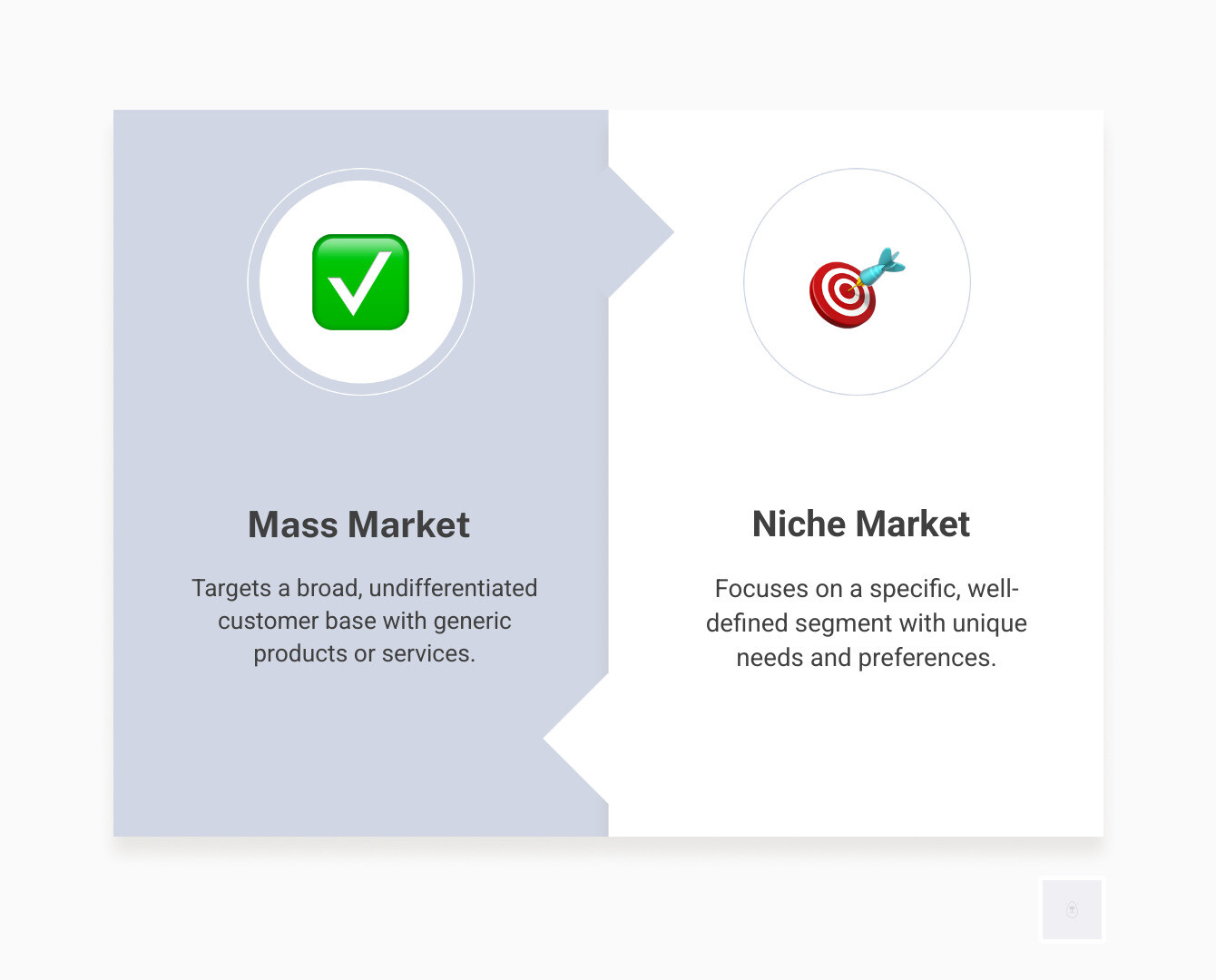
Have you ever wondered how some businesses thrive by focusing on a very specific aspect? In today’s competitive marketplace, standing out is more challenging than ever. Many entrepreneurs try to appeal to everyone. But a powerful secret lies in understanding and serving a niche market. This approach can turn a passion into a profitable venture.
We believe that true success often comes from specialization. It means finding a unique corner where your business can truly shine. We will explore how three different companies found their distinct market. They did this by embracing specialization. We will see how they turned their specific interests into thriving companies.
From unique artisanal products, like understanding the Niche Baltic amber ring meaning, to specialized services and tech-driven solutions, these stories show the power of focus.
Join us as we dive into these inspiring case studies. We will uncover the strategies that led them from passion to profit. You will learn valuable lessons for your own business journey.
Case Study 1: The Artisanal Retailer – Tapping into History and Symbolism
For artisanal retailers, the product isn’t just an item; it’s a narrative, a piece of history, and often, a symbol. Our first case study showcases a business that carved out its niche by specializing in amber rings. They understood that their customers weren’t just buying jewelry; they were investing in a story, a connection to ancient times, and a piece believed to carry deep meaning. This retailer excelled by embracing storytelling marketing, creating content that educated and captivated their audience, and building a loyal customer base deeply connected to the cultural value and authenticity of their products.
Amber, often mistaken for a gemstone, is actually fossilized tree resin —a natural organic material that has fascinated humanity for millennia. Its history stretches back over 13,000 years, making it one of the earliest materials used for ornamentation. This incredible antiquity imbues amber with a profound sense of history, a quality that niche retailers can effectively leverage. By focusing on amber rings, this business tapped into a market segment seeking jewelry with more than just aesthetic appeal. They sought pieces with soul, with a past, and with symbolic resonance.
The appeal of amber rings is multifaceted. Historically, amber has been associated with the sun, warmth, and life-giving energy. Ancient civilizations, from the Greeks and Romans to the Vikings, revered amber for its perceived magical and protective qualities. It was worn to ward off evil, promote fertility, and even signify status and power. The unique inclusions often found within amber – such as ancient insects, plant fragments, or air bubbles – serve as tiny windows into a prehistoric world, further enhancing its mystique and value. These natural inclusions make each amber ring truly one-of-a-kind, appealing to customers who desire uniqueness and a connection to nature’s artistry.
To truly connect with their audience, this artisanal retailer created extensive content explaining the deep cultural context. They dug into the specific symbolism of different amber colors, the lore surrounding its origin, and its perceived healing properties. This educational approach transformed potential buyers into informed enthusiasts, fostering a community built on shared appreciation for this ancient organic gem.

Identifying a Product with a Story
The first step for this retailer was recognizing that amber rings possessed an inherent “story.” This story wasn’t just about the physical appearance of the ring but about its journey through time, its geological formation, and its rich mix of historical and cultural meanings.
- Historical Significance: They highlighted that amber has been used in jewelry for over 13,000 years, with the oldest pieces dating back over 300 million years. This deep history provides an immediate sense of gravitas and uniqueness. They emphasized how ancient cultures traded for Baltic amber, finding it as far away as Egypt and in the graves of Mycenae.
- Cultural Value: The retailer explored how various cultures imbued amber with specific meanings. For instance, the ancient Greeks called it ‘elektron’ due to its electrostatic properties, a term that eventually gave rise to the words ‘electron’ and ‘electricity.’ Romans and Greeks wore amber figurines for fertility, while Vikings carved it into animal shapes for strength. In Chinese culture, amber was believed to be the solidified souls of tigers. This rich cultural context offers endless material for storytelling and resonates deeply with customers who seek meaning in their purchases.
- Emotional Connection: By focusing on amber’s association with warmth, the sun, protection, and healing, they tapped into universal human desires for well-being and security. The idea that wearing an amber ring could bring balance, confidence, or even alleviate physical discomfort creates a powerful emotional bond with the product.
- Target Audience Research: They understood their audience wasn’t just looking for a piece of jewelry but a conversation starter, a personal talisman, or a unique gift with a profound narrative. This allowed them to tailor their product offerings and marketing messages effectively.
- Product Sourcing: Emphasizing authentic Baltic amber, known for its quality and historical significance, further solidified their brand’s commitment to genuine, story-rich products.
Marketing Authenticity
Once the compelling story of amber rings was identified, the next challenge was to communicate it authentically to the target audience. This niche retailer employed several key marketing strategies:
- Content Marketing: They created a wealth of informative and engaging content, including blog posts, articles, and social media narratives, that delved into the history, symbolism, and properties of amber. This content wasn’t just promotional; it was educational, establishing the brand as an authority and a trusted source of information. They answered questions like “What makes amber unique compared to other gemstones?” and “How does the origin of amber affect its value and symbolism?”
- SEO for Long-Tail Keywords: Understanding that customers seeking meaningful jewelry often use specific search queries, they optimized their content for long-tail keywords such as “healing properties of amber rings,” “historical amber jewelry,” or “Baltic amber symbolism.” This ensured their authentic content reached the most interested audience.
- Social Media Storytelling: Platforms like Instagram and Pinterest became visual storytelling channels, showcasing the beauty of their amber rings alongside snippets of their history and meaning. They encouraged customers to share their own stories and connections to their amber pieces, fostering a vibrant online community.
- Building a Community Around Shared Values: Beyond sales, the retailer focused on creating a community of amber enthusiasts. This involved engaging with comments, hosting online discussions, and even offering workshops or educational events. This approach cultivated loyalty and transformed customers into brand advocates who valued the authenticity and meaning behind their purchases.
Strategies for Sustainable Niche Business Growth
Building a successful niche business isn’t just about finding a unique product or service; it’s about implementing strategies that ensure long-term growth and resilience. We’ve seen how focusing on a specific market can lead to deep customer connections and strong brand identity. Now, let’s explore the broader strategies that underpin sustainable growth for any niche venture.

Identifying a Profitable Niche for Business Growth
The foundation of any thriving niche business is a well-researched and truly profitable niche. This isn’t just about finding something obscure; it’s about identifying an underserved market with specific needs and a willingness to pay for specialized solutions.
- Keyword Research: This is often the starting point. By analyzing search trends and user queries, businesses can uncover specific problems or interests that aren’t adequately addressed by broader markets. Tools can reveal not just what people are searching for, but also the volume and competition around those terms. For instance, while “jewelry” is broad, phrases like “amber ring meaning” or “ethical amber jewelry” point to a more defined interest.
- Competitor Gap Analysis: Don’t just look for what others are doing; look for what they’re not doing well, or what segments they’re overlooking. Are there specific customer needs that existing solutions fail to meet? Is there a particular quality, price point, or service level that’s missing?
- Solving Specific Problems: A niche business thrives by being the best solution for a particular pain point. This could be a functional problem (like a specific type of engine maintenance) or an emotional one (like finding meaningful, handcrafted jewelry). The clearer the situation, the easier it is to position your solution.
- Audience Pain Points: Understanding your potential customers’ frustrations, desires, and aspirations deeply is crucial. This goes beyond demographics to psychographics – what motivates them, what they value, and what challenges they face.
- Tools for Market Research: Google Keyword Planner
- SEMrush or Ahrefs
- Social media listening tools (e.g., Brandwatch, Hootsuite)
- Customer surveys and interviews
- Competitor analysis platforms
Building an Unforgettable Brand
In a niche market, your brand is your most powerful asset. It’s what differentiates you from the few competitors you might have and solidifies your connection with your target audience.
- Unique Value Proposition (UVP): What makes your niche business uniquely valuable to your customers? Is it superior quality, unparalleled expertise, a compelling story, or exceptional customer service? Clearly defining your UVP is essential for all your messaging. For the amber ring retailer, it was the deep historical and symbolic meaning intertwined with authentic, handcrafted quality. That made it so appealing
- Brand Voice: How do you communicate with your audience? Is it authoritative, friendly, mystical, scientific, or practical? A consistent brand voice across all touchpoints – including the website, social media, and customer service – builds recognition and trust.
- Visual Identity: This includes your logo, color palette, typography, and overall aesthetic. It should reflect your brand voice and UVP, creating an immediate, memorable impression. For artisanal products, this often leans towards natural, neat, or rustic aesthetics.
- Customer Experience: In a niche, every customer interaction matters. Exceptional service, personalized communication, and a seamless purchasing process contribute significantly to loyalty and positive word-of-mouth.
- Trust Building: This is paramount, especially when dealing with specialized products or services. Transparency about sourcing, processes, and expertise, along with customer testimonials and certifications, helps build unwavering trust.
Case Study 2: The Specialist Service Provider – Dominating a Local Sub-Market
Our second case study illustrates how a service-based business can achieve significant success by focusing on a highly specialized offering within a local market. This particular business, operating in the automotive industry, didn’t try to be a general auto repair shop. Instead, they became the go-to experts for a very specific type of vehicle maintenance: engine detailing and restoration.
The automotive industry is vast and competitive, but by narrowing its focus, this company eliminated much of the direct competition. They understood that car enthusiasts, collectors, and owners of high-value vehicles sought meticulous care that standard shops couldn’t provide. Their specialization allowed them to develop unparalleled expertise, invest in specific tools and training, and deliver a superior level of service that justified premium pricing. They didn’t just clean engines; they restored them to showroom condition, often addressing complex issues that required a deep understanding of chemical processes and material science.
They built authority and trust by transparently explaining their specialized methods. For instance, they created detailed content explaining their approach to services like eco-friendly engine detailing. This content educated potential clients, showcasing their technical prowess and commitment to quality and environmental responsibility. This level of detail resonated with their discerning clientele, who valued both the outcome and the process.

The Advantage of Specialization
Choosing to specialize offered this service provider several distinct advantages:
- Reduced Competition: By focusing on a niche, they weren’t competing with every auto shop in town. Their direct competitors were limited to a handful of other specialists, if any.
- Higher Perceived Value: When a business is known for doing one thing exceptionally well, its services are perceived as more valuable. Customers are often willing to pay a premium for expert-level care and guaranteed results.
- Premium Pricing: The combination of reduced competition and higher perceived value enabled them to set prices that reflected their expertise and the quality of their work, resulting in healthier profit margins.
- Focused Marketing Efforts: Instead of trying to reach everyone, their marketing could be highly targeted. They knew exactly who their ideal customer was (e.g., classic car owners and luxury vehicle enthusiasts) and where to find them (e.g., car shows, online forums, and luxury dealerships). This made their marketing more efficient and effective.
Marketing a Niche Service
Marketing a specialized service requires demonstrating expertise and building trust. This business implemented several effective strategies:
- Local SEO: Optimizing their online presence for local search terms, such as “engine detailing [city name]” or “classic car engine restoration [region],” ensured that customers seeking their specific service could easily find them. Google My Business optimization was key.
- B2B Partnerships: They forged relationships with classic car dealerships, luxury auto repair shops, and car clubs. These partnerships served as valuable referral networks, bringing in highly qualified leads.
- Demonstrating Expertise Through Content: Beyond their detailed explanations of eco-friendly engine detailing, they published case studies, before-and-after photos, and articles on common engine issues and their solutions. This content showcased their deep knowledge and meticulous approach, establishing them as thought leaders in their niche.
- Customer Testimonials: Positive reviews and testimonials from satisfied clients, particularly those with high-value vehicles, served as powerful social proof. They actively encouraged customers to share their experiences, building a strong reputation based on verifiable results.
Case Study 3: The Modern Clinic – Solving a Specific Problem with Technology
Our third case study examines a modern clinic that has found its niche by leveraging advanced technology to address a specific, often embarrassing, and persistent problem: nail fungus. This healthcare provider didn’t aim to be a general dermatology clinic; they positioned themselves as specialists in a particular, high-demand treatment area.
Fungal nail infections (onychomycosis) are common but can be notoriously difficult to treat with traditional methods, leading to frustration and self-consciousness for sufferers. Recognizing this widespread yet underserved market, the clinic invested in state-of-the-art laser technology specifically designed to combat nail fungus. This technological differentiator enabled them to offer a more effective, less invasive, and often quicker solution than conventional treatments, such as topical creams or oral medications, which can have side effects.
By creating detailed guides on their advanced Laser Fingernail Fungus Solutions, they educated and attracted a highly motivated client base. Their content demystified the technology, explained the treatment process, addressed common concerns, and highlighted success rates. This transparent and educational approach built immense trust with patients who had often exhausted other treatment options, transforming a sensitive health issue into a specialized and effective solution.

Identifying a Specific Customer Pain Point
The success of this clinic stemmed from its keen ability to identify and empathize with a significant customer pain point:
- Market Research: They observed the high prevalence of nail fungus and the dissatisfaction with existing treatments. This indicated a clear demand for a better solution.
- Empathy Mapping: Understanding the emotional toll of chronic nail fungus – including embarrassment, self-consciousness, and reluctance to wear open-toed shoes – allowed them to frame their solution not just as a medical treatment but as a pathway to renewed confidence and improved quality of life.
- Solution-Oriented Approach: Instead of offering a broad range of services, they focused on providing the most effective solution for this one problem. This singular focus allowed them to refine their techniques and become true experts.
- Building Trust with Sensitive Topics: For a condition that can be private and embarrassing, building trust was crucial. Their educational content and compassionate communication helped patients feel understood and confident in the clinic’s ability to provide a discreet and effective solution.
Leveraging Technology for Niche Business Growth
Technology was the cornerstone of this clinic’s niche strategy:
- Investing in Advanced Equipment: The clinic made a significant investment in specialized laser technology. This wasn’t just about having new equipment; it was about having the best equipment for their chosen niche, allowing them to deliver superior results.
- Highlighting Safety and Efficacy: Their marketing emphasized the clinical evidence supporting laser treatment, its safety profile, and its high success rates compared to traditional methods. This scientific backing provided reassurance to potential patients.
- Creating Educational Content: Their detailed guides on laser treatment for nail fungus served multiple purposes: they informed patients, showcased the clinic’s expertise, and improved their search engine visibility. This content was designed to answer every possible question a potential patient might have, from “how does the laser work?” to “what are the recovery times?”
- Targeted Digital Advertising: They used digital advertising platforms to reach individuals specifically searching for nail fungus treatments, ensuring their message reached the most relevant audience. Their ads often highlighted the convenience and effectiveness of their laser solution, directly addressing the pain points of their target market.
Frequently Asked Questions about Niche Markets
Navigating niche markets can raise numerous questions. Here, we address some of the most common concerns entrepreneurs have when considering or operating within a specialized market.
How do I know if my niche is too small to be profitable?
This is a critical question for any aspiring niche business owner. A niche needs to be small enough to specialize but large enough to sustain and grow your business.
- Market Size Estimation: Begin by researching the total addressable market (TAM) for your niche. Look for industry reports, demographic data, and government statistics to inform your research. Even if the overall market seems small, consider the intensity of the need. A small group with a desperate need can be more profitable than a large group with a mild interest.
- Demand Validation: Don’t Just Assume Demand. Conduct surveys, focus groups, and analyze search engine data (as discussed in keyword research). Are people actively looking for solutions to the problem your niche addresses? Are they expressing frustration with current options?
- Test Marketing: Before launching a full-scale product, consider conducting a small-scale test. This could involve a limited product run, a targeted ad campaign, or a pilot service offering. Observe customer response, conversion rates, and willingness to pay.
- Calculating Potential Revenue: Project your potential customer base, average transaction value, and estimated frequency of purchase. This will give you a realistic idea of the revenue potential. Niche businesses often command higher prices because they compensate for a smaller volume of sales.
Can a niche business scale effectively?
Absolutely. While the initial focus is narrow, scaling a niche business is entirely possible and often more sustainable than scaling a broad market business, as you build deep expertise and loyalty.
- Strategies for Scaling: Product Line Expansion – Once you’ve established dominance in your initial niche, you can introduce complementary products or services. For the amber ring retailer, this might mean expanding into amber necklaces, earrings, or other types of organic gemstone jewelry.
- Entering Adjacent Niches: Look for markets that share characteristics with your current niche but are distinct enough to offer new growth. The engine detailing specialist might expand into interior detailing for luxury cars.
- Geographic Expansion: If your niche is geographically bound, replicate your successful model in new locations.
- Franchising Models: For service-based niches, franchising can be an effective way to scale operations without direct management of every new location.
- Leveraging Technology: Automation, online platforms, and digital tools can help manage increased demand without proportionally growing costs.
What are the biggest risks of starting a niche business?
While niche businesses offer numerous advantages, they also carry specific risks that entrepreneurs must be prepared to mitigate.
- Market Shifts: Consumer preferences, technological advancements, or new regulations can sometimes render a niche obsolete or significantly reduce its demand. Continuous market monitoring and adaptability are crucial.
- Over-Specialization: Becoming too narrow can limit your growth potential or make you vulnerable if that specific need diminishes. It’s essential to strike a balance between specialization and flexibility.
- Limited Customer Pool: If your niche is genuinely tiny, it might not generate enough revenue to be profitable, regardless of how well you serve it. This ties back to the importance of thorough market size estimation.
- Dependence on a Single Product or Service: Relying entirely on one offering makes your business susceptible to any issues with that product or service. Diversifying within your niche (as discussed in scaling strategies) can help mitigate this.
- Difficulty in Reaching the Niche: Even if the niche exists, finding and effectively communicating with that specific audience can be challenging and require specialized marketing efforts.
Conclusion: Your Path from Passion to Profit
The journey from passion to profit, especially within a niche market, is a testament to strategic focus, deep understanding, and authentic engagement. As we’ve explored through our case studies, whether it’s understanding the profound symbolism of amber rings, mastering the intricate art of eco-friendly engine detailing, or pioneering laser solutions for a specific health concern, the principles remain consistent.
The power of specialization allows businesses to stand out in a crowded marketplace, build unparalleled expertise, and forge deep, meaningful connections with their customers. By identifying a specific need, crafting a unique value proposition, and communicating it authentically, entrepreneurs can transform their passions into thriving, sustainable ventures.
Your path from passion to profit begins with a willingness to look closer, to serve more deeply, and to accept the unique opportunities that a niche market presents. We encourage you to identify your own unique strengths, research the underserved corners of your industry, and start building a business that not only generates profit but also fulfills a genuine need with authenticity and expertise.
